
Whether you’re in your 20s, 30s or older, your dentist might recommend crowns or bridges as part of your dental care. But what exactly are these treatments? And what’s the difference between crowns and bridges?
These restorative dental treatments are often used to repair or replace damaged teeth.
At Midland Bay Dental, your trusted family dental clinic, we believe in educating our patients so they can make informed decisions about their oral health.
In this blog post, we’ll break down what dental crowns and bridges are, when they’re needed, and what to expect during the process.
What Are Crowns and Bridges?
Crowns and bridges are types of fixed dental prosthetics designed to restore function, appearance, and oral health.
What are Dental Crowns?
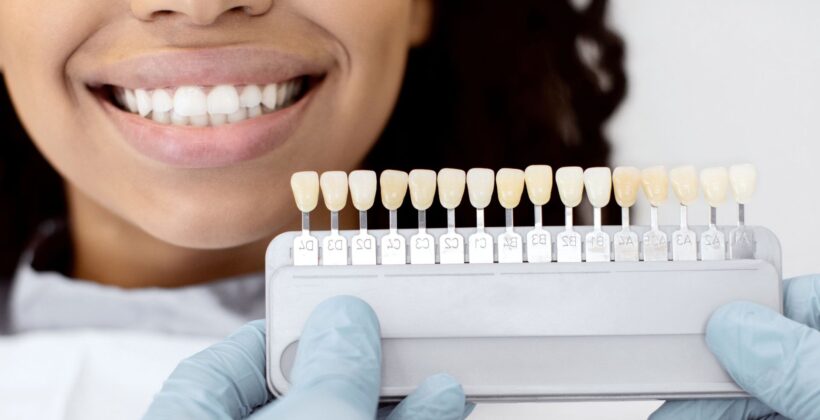
When you have a damaged or decayed tooth, a dental crown is a tooth-shaped cap that covers the visible portion. Crowns are made from materials such as porcelain, ceramic, or metal alloys, and are custom-designed to blend in with your natural teeth.
They are typically used when a tooth is too damaged for a regular filling but not so damaged that it needs to be extracted.
What are Dental Bridges?
A dental bridge is used to replace one or more missing teeth. It literally “bridges” the gap between healthy teeth, using the surrounding natural teeth (or dental implants) as anchors. A bridge consists of two crowns placed on the anchoring teeth and a false tooth (or teeth) in between.
In both cases, crowns and bridges are cemented into place, making them a permanent part of your smile.
When Do You Need a Crown or Bridge?
Knowing when to consider dental crowns and bridges can be the first step toward restoring your dental health and confidence.
You May Need a Dental Crown If:
- You have a cracked or fractured tooth
- A large filling has weakened a tooth’s structure
- You’ve had a root canal and need to protect the treated tooth
- Your tooth is worn down from grinding (bruxism)
- You want to improve the appearance of a discoloured or misshapen tooth
- You’re receiving a dental implant, which needs a crown placed on top
You May Need a Dental Bridge If:
- You are missing one or more teeth
- Your remaining teeth are healthy enough to support crowns
- You want to prevent neighbouring teeth from shifting
- You are looking for a non-removable alternative to dentures
- You want to restore full function for chewing and speaking
Missing or damaged teeth can cause more than just cosmetic concerns. They can lead to jawbone deterioration, gum disease, and bite misalignment. Dental crowns and bridges are practical, long-term solutions to these issues.
The Process: What to Expect at a Family Dental Clinic
Here’s what happens if our dentist at Midland Bay Dental recommends crowns or bridges.
Step 1: Consultation and Examination
First, we will perform a thorough examination, often with the help of digital X-rays. This helps determine the extent of the damage or the size of the gap needing a bridge. You’ll discuss your options and select the most suitable material (porcelain, metal, zirconia, etc.) based on durability, aesthetics, and budget.
Step 2: Tooth Preparation
For a crown, the affected tooth will be reshaped to make space for the crown. For a bridge, the adjacent teeth (called abutments) will be prepared in a similar manner, as they need to support the false tooth or teeth.
Step 3: Impressions
After the preparation, we will take detailed impressions of your teeth. These are either done using traditional dental moulds or digital scanning, which ensures precision for the final restoration. A temporary crown or bridge will be placed to protect your teeth until the final version is ready.
Step 4: Fabrication
Your impressions are sent to a dental lab where technicians craft your custom crown or bridge. This can take 1–2 weeks. Midland Bay Dental works with top-quality labs to ensure your restoration is both durable and natural-looking.
Step 5: Final Placement
Once your new crown or bridge is ready, you’ll return for a fitting. We will make any necessary adjustments before permanently cementing it in place. Your bite will be checked for proper alignment, and you’ll receive care instructions to help your restoration last.
Aftercare Tips: Maintaining Your Crown or Bridge
Once your crowns and bridges are in place, they should feel and function like your natural teeth. But that doesn’t mean they’re maintenance-free.
Here are some simple tips to make them last:
- Brush and floss daily – especially around the bridge area, where plaque can accumulate
- Use a fluoride toothpaste to prevent decay on surrounding teeth
- Avoid hard or sticky foods that could dislodge or crack the restoration
- Visit your family dental clinic regularly for cleanings and check-ups
- Consider a nightguard if you grind your teeth at night
With proper care, dental crowns and bridges can last anywhere from 10 to 15 years—or even longer.
Common Misconceptions About Crowns and Bridges Debunked
It’s normal to feel unsure about dental restorations, especially with so much misinformation floating around. Let’s clear up some myths:
- Myth: Crowns and bridges are only cosmetic.
Reality: They restore function and prevent further oral health issues. - Myth: They’re painful to get.
Reality: Modern dental techniques and anesthetics make the process virtually painless. - Myth: Only older adults need them.
Reality: Tooth trauma and decay can affect anyone, regardless of age. - Myth: They don’t look natural.
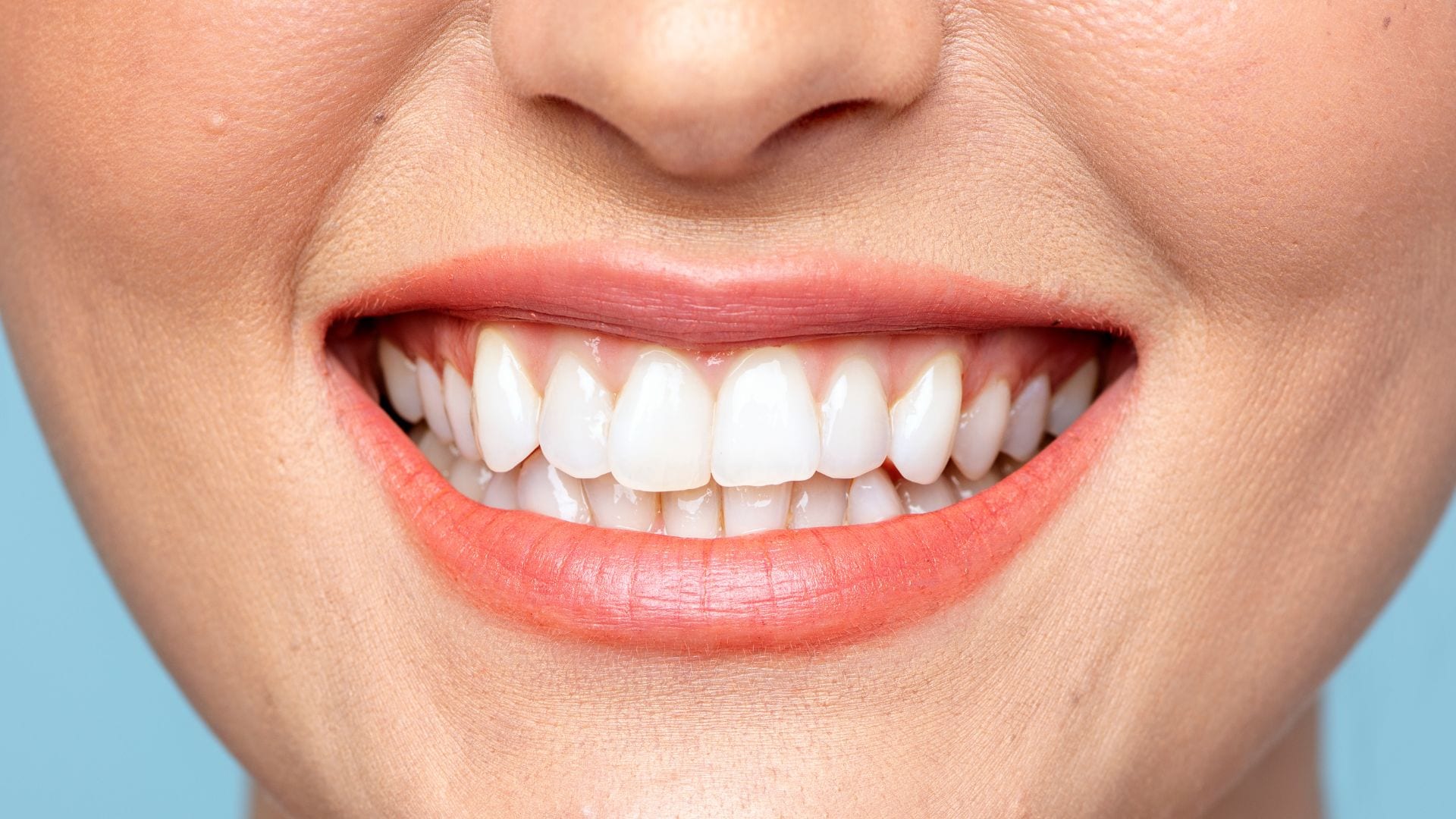
Reality: Today’s materials can mimic the look and feel of natural teeth almost perfectly.
Trust Midland Bay Dental for Crowns and Bridges
At Midland Bay Dental, we take pride in being a trusted family dental clinic that delivers expert restorative care in a warm, welcoming environment.
If you’re dealing with a broken tooth, missing teeth, or are simply curious about your options, our team is here to help you understand your choices and guide you toward a healthier smile.
Crowns and bridges are more than just fixes. They’re investments in your long-term oral health.
If you’re considering a consultation or have questions about dental crowns and bridges, contact Midland Bay Dental today and take the first step toward restoring your smile with confidence.
Learn more about our dental care services and how we can help you maintain a great smile. Call us at (705) 526-6441 or book an appointment online.
Follow us on Facebook.