
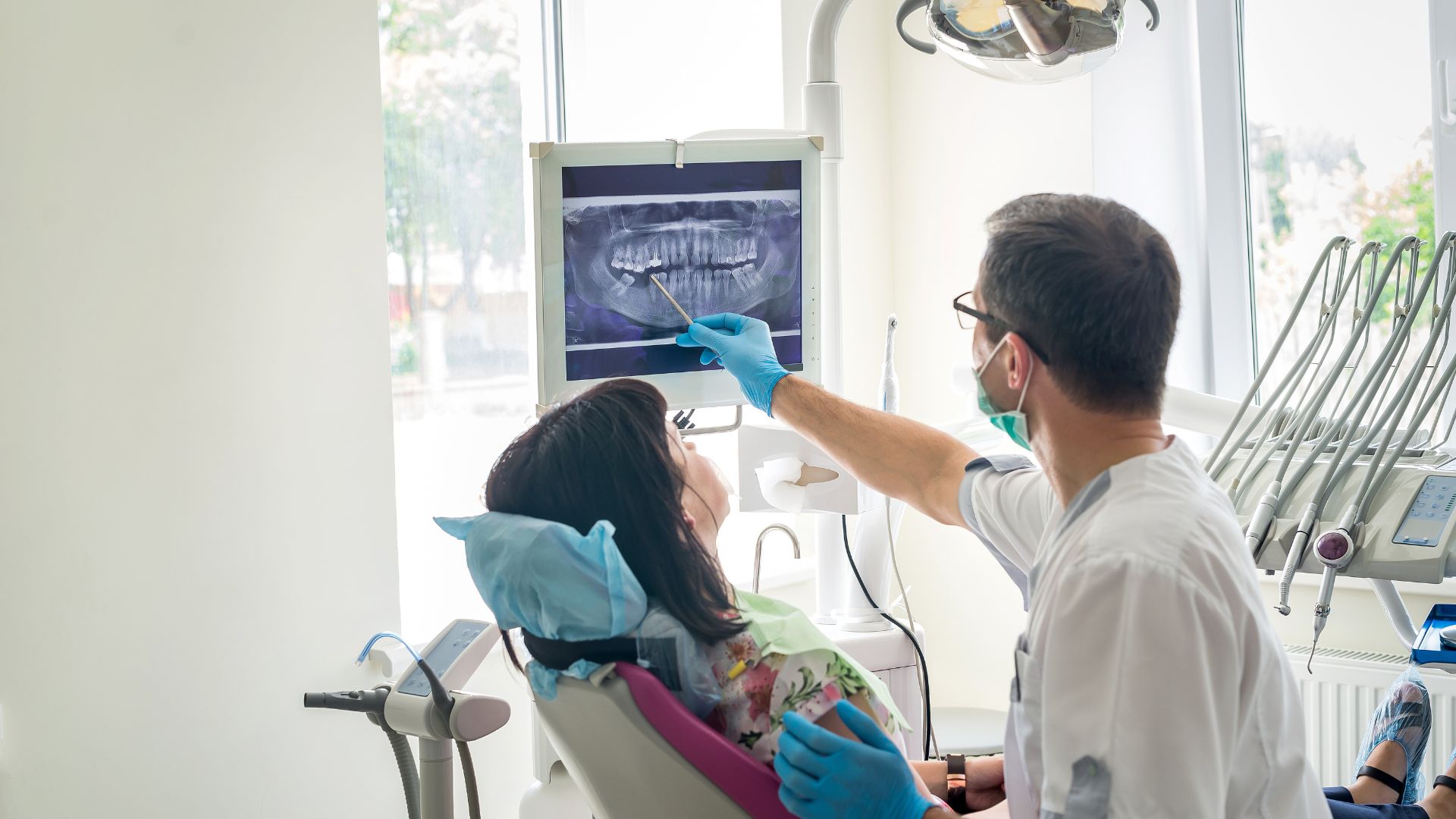
Sometimes a tooth needs to be pulled out. When it comes to recovery after tooth extraction, there are a few things you should know. At Midland Bay Dental, we will walk you through the process every step of the way, from the procedure itself to the recovery at home, so you feel confident and prepared.
Below is a complete guide to recovery after a tooth extraction, including what to expect, how long healing takes, and practical tips to support healing.
What to Expect Right After a Tooth Extraction
It is normal to experience some bleeding, swelling, and mild discomfort immediately after a tooth extraction.
Gauze will be placed over the extraction site to help control bleeding and encourage a blood clot to form. If the extraction was a bit more complicated, your dentist may place a bone graft in the empty socket to prevent jawbone loss, and stitches may be required.
Following these guidelines after you get home will greatly help the healing process:
- Prioritize rest for the first 24 hours.
- Avoid strenuous activity. (It can elevate your heart rate, which increases bleeding, slowing recovery)
- Mild pain or soreness can usually be managed with over-the-counter pain relievers such as acetaminophen or ibuprofen. If your dentist has prescribed antibiotics or specific pain relievers, make sure these are taken as directed.
Recovery Time After Tooth Extraction: A General Timeline
Recovery time after tooth extraction varies depending on factors such as the tooth’s location, the complexity of the procedure, and your overall health. Below you will find a general timeline most patients experience:
First 24–48 hours:
Swelling and minor bleeding will be most noticeable. Stick to soft foods, keep your head elevated, and apply ice packs to your cheek as recommended.
Days 3–5:
Swelling often peaks on day 3 and then should start to subside. You may begin feeling more like yourself as discomfort eases, but the area will still be healing.
1–2 weeks:
Most people will be able to return to normal routines during this time as the gum tissue begins to close over the extraction site.
3-4 months:
While the socket should be fully closed after 2 weeks, the jawbone will continue healing beneath the surface.
Your dentist will give you personalized guidance based on your specific tooth extraction, especially if the procedure was surgical or involved wisdom teeth.

5 Tips for Better Healing After Tooth Extraction
Supporting recovery after tooth extraction largely comes down to following a few simple but important rules.
1. Protect the Blood Clot
Avoid rinsing vigorously or using straws for at least 72 hours in order not to disturb the blood clot. The suction produced by these actions can dislodge the clot and lead to a condition called dry socket. This condition exposes the jawbone, which can be very painful and significantly delay healing.
2. Choose the Right Foods
Stick to soft, easy-to-chew foods like yogurt, mashed potatoes, smoothies (without a straw), scrambled eggs, and soup. A high-protein soft diet is encouraged to promote tissue production and healing. Gradually reintroduce firmer foods as tenderness decreases.
3. Keep Your Mouth Clean
Gently brush your teeth 24 hours post-surgery. Good oral hygiene supports faster healing; hence, brush and floss as usual, while avoiding the extraction site. Gentle saltwater rinses can also help keep the area clean for the next 7-10 days.
4. Manage Swelling and Pain
Applying ice packs to the outside of the cheek for 15–20 minutes at a time can help reduce swelling during the first day. Follow your dentist’s instructions for pain management carefully, whether you are using over-the-counter or prescribed medication.
5. Rest and Hydrate
Your body heals best when it’s well-rested. Skip the workout for the first 24-72 hours and avoid heavy lifting. Elevate your head with an extra pillow while sleeping to reduce pain and swelling. Drink plenty of water, avoid alcohol for a few days, and permit yourself to take it easy.
Signs of Normal Healing vs. When to Call Your Dentist
During recovery after tooth extraction, it’s normal to notice mild soreness, swelling, and sensitivity. However, certain symptoms should prompt a call to your dentist:
- Severe or worsening pain after a few days
- Persistent bleeding that doesn’t improve
- A bad taste or odour coming from the extraction site
- Fever or signs of infection
At Midland Bay Dental, we encourage patients to reach out if something doesn’t feel right. Early intervention can prevent small issues from becoming bigger problems.
How Smoking and Lifestyle Choices Affect Recovery
Smoking is one of the biggest risk factors for complications post-surgery. Smoking and vaping reduce blood flow, subsequently reducing oxygen to the extraction site, which helps tissues heal. If you smoke, your dentist will likely recommend avoiding it for at least 5 days after the procedure.
Factors such as poor nutrition, dehydration, or ignoring post-op instructions can also slow recovery time after tooth extraction. Following your care plan closely helps ensure a smoother experience.
Recovery After Tooth Extraction and Beyond
Recovery after tooth extraction is usually straightforward when you know what to expect and how to care for yourself.
By protecting the extraction site, following your dentist’s instructions, and paying attention to warning signs, you can support better healing and avoid complications.
In some cases, tooth extraction is the first step toward restoring your smile. Once healing is underway, your dentist may discuss options like dental implants, bridges, or other restorative treatments.
If you’re preparing for a tooth extraction in Midland or have questions about recovery time after tooth extraction, the team at Midland Bay Dental is here to help. Our goal is to make every step of your dental care, from treatment to recovery, as comfortable and stress-free as possible.
Our team will assess your needs, explain your options, and help you feel fully informed and supported throughout the entire process.
To learn more about our dental care services, call us at (705) 526-6441 or book an appointment online.
Follow us on Facebook.