

After a tooth extraction, one of the first questions on most people’s minds is a simple one: what to eat after extracting a tooth? Your mouth is tender, you may still be numb, and the last thing you want is to slow down healing or end up with more pain.
The good news is that you don’t have to live on broth for a week. Knowing what to eat after extracting a tooth, and what to skip, helps protect the blood clot that forms in the socket, keeps you comfortable, and gives your body the nutrition it needs to heal.
Here’s a simple guide, from the first day through the rest of your recovery.
What to Eat After Extracting a Tooth: The First 24 Hours
The first day is all about protecting the blood clot. That clot covers the bone and nerve endings in the socket and is the foundation for healing, so stick to foods that need little or no chewing and are cool or lukewarm, not hot.
Wait until the numbness wears off before you eat. While your cheek, lip and tongue are still frozen, it’s easy to bite them without noticing.
Good options for the first day include:
- Smooth yogurt or kefir
- Applesauce
- Pudding or Jell-O
- Lukewarm, blended soups or broth
- Mashed potatoes
- Ice cream or frozen yogurt without nuts, candy pieces or a cone
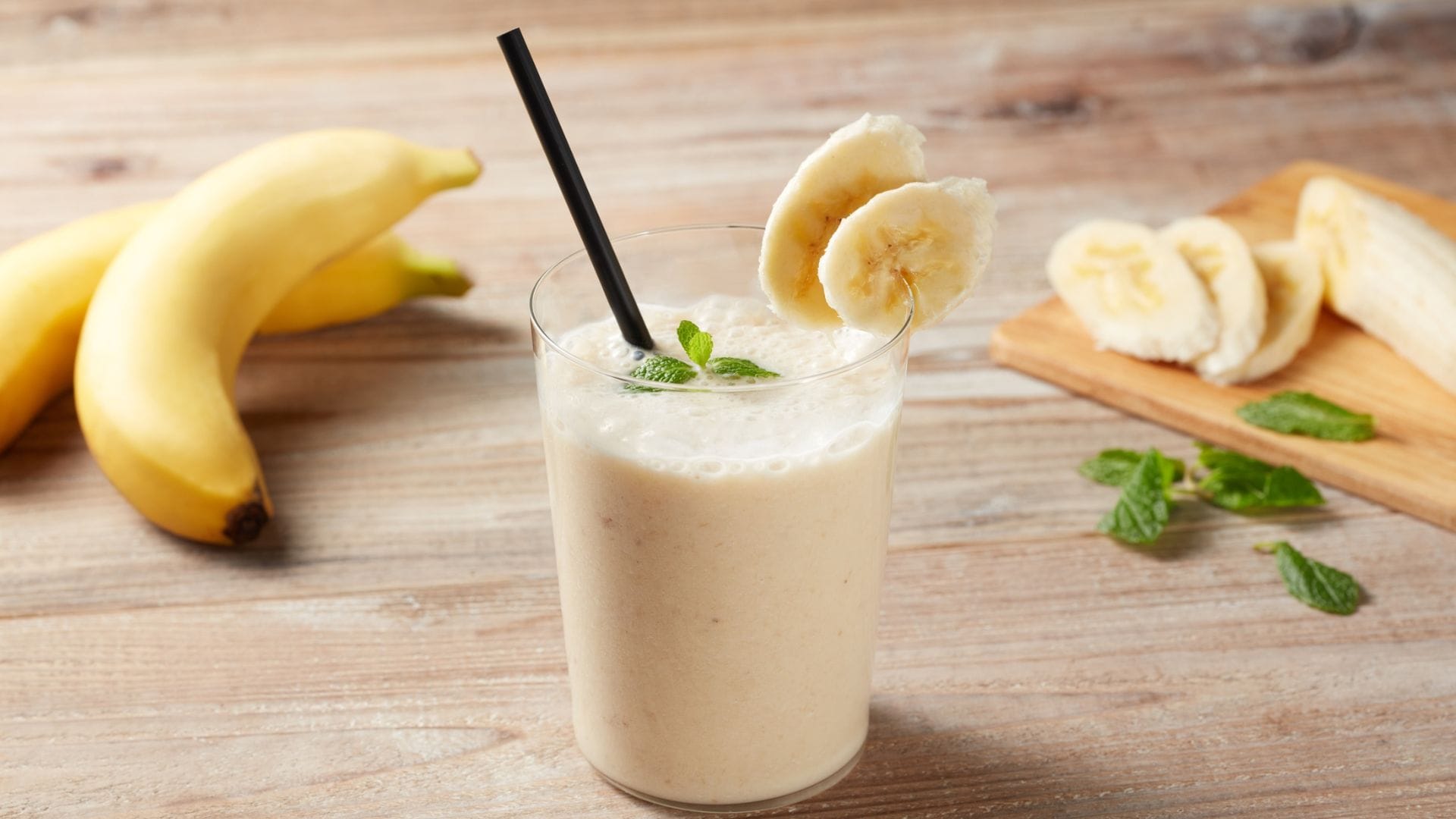
- Smoothies eaten with a spoon, not a straw
Drink plenty of water, too. Staying hydrated supports healing, especially if you’re not eating much. Just sip from a glass rather than using a straw.
Soft Meal Ideas for the Days After Your Extraction
As soreness eases over the next few days, you can add soft foods that take a little more chewing. Aim to include protein, which your body uses to repair tissue, and keep chewing on the opposite side of your mouth.
- Breakfast: Scrambled eggs, oatmeal or cream of wheat (cooled to warm), cottage cheese, or a mashed banana.
- Lunch: Soft pasta or macaroni and cheese, egg salad on soft bread with the crusts removed, hummus, or a creamy soup.
- Dinner: Flaky baked fish like salmon, shepherd’s pie, well-cooked vegetables mashed with butter, soft tofu, or refried beans.
- Snacks: Avocado, pudding, smooth nut butter on a soft banana, or a spoonable smoothie made without seeded berries.
Most people with a simple extraction can ease back toward their regular diet within about a week. Let comfort be your guide. If chewing a certain food hurts, give it a few more days. For tips on managing soreness during this stage, see our post on pain after tooth extraction.
Foods and Habits to Avoid While You Heal
Some foods can irritate the socket, get stuck in it, or disturb the blood clot. Losing that clot too early can lead to dry socket, a painful complication that delays healing. Until your dentist says otherwise, avoid:
- Hard and crunchy foods: Chips, nuts, popcorn, pretzels, crusty bread and raw vegetables.
- Small grains and seeds: Rice, quinoa, sesame seeds and berry seeds can lodge in the socket.
- Chewy or sticky foods: Steak, jerky, caramel, gummies and bagels.
- Spicy and acidic foods: Hot sauce, citrus and tomato-based dishes can sting healing tissue.
- Very hot food and drinks: Especially on the first day, let soups and coffee cool to lukewarm.
- Alcohol: It can slow healing and shouldn’t be mixed with some pain medications.
How you eat and drink matters too. Skip straws, smoking and vaping for at least the first few days, or as long as your dentist advises. The suction and pressure can pull the clot out of place.
What to Eat After a Wisdom Tooth Extraction
Wisdom teeth sit at the very back of the mouth, and removing them often involves more work than a simple extraction, especially if they were impacted. That usually means more swelling and some jaw stiffness, so plan on a longer soft-food stretch.
A few tips specific to wisdom tooth recovery:
- Stay soft for longer. Many people stick with soft foods for about a week, sometimes longer, before working back to their usual diet.
- Use a small spoon. If your jaw is stiff, smaller bites are easier and put less strain on the area.
- Be extra careful with small particles. Lower wisdom tooth sockets are deep and can trap rice, seeds and crumbs. Smooth, blended foods are your friend.
- Batch-cook before your appointment. Making a pot of blended soup, mashed potatoes, or a casserole ahead of time means you won’t have to cook while you’re sore.
Knowing what to eat after a wisdom tooth extraction makes recovery much more comfortable. Learn more about the procedure itself in our guide to wisdom teeth removal.

Wisdom Tooth Extraction in Midland: Support Before and After Your Visit
Every extraction is a little different, so your dentist’s instructions should always come first. At Midland Bay Dental, we walk you through aftercare before you leave, including what to eat, how to keep the area clean, and what’s normal as you heal.
Call us if you notice:
- Severe or throbbing pain that starts or gets worse a few days after the extraction
- Bleeding that won’t stop with gentle pressure
- Swelling that keeps increasing after the first two to three days
- Fever, pus or a bad taste that doesn’t go away
These can be signs of dry socket or infection, and they’re easier to treat when caught early.
If you’re planning a tooth removal or need gentle wisdom tooth extraction, Midland Bay Dental is here to help you feel comfortable from your first exam through recovery. Call us at (705) 526-6441 or book an appointment online.
Follow us on Facebook.