


Did you know that maintaining good oral hygiene often equates to having overall good health? From a daily oral cleaning routine to choosing foods that benefit your teeth, there are several oral health solutions you can build into your everyday life to take great care of your teeth, mouth, and gums.
In addition to scheduling regular professional dental cleanings at Midland Bay Dental, here are a few ways to maintain good oral health at home.
1. Brush Your Teeth
The first and most obvious tip is to practice good teeth brushing habits. We recommend brushing your teeth at least twice a day for two minutes each time, using a fluoride toothpaste, to help remove plaque and bacteria build-up. Without maintaining a regular brushing schedule, your teeth can develop cavities, eventually leading to tooth decay.
A few brushing basics worth keeping in mind:
- Use a soft-bristled toothbrush to avoid wearing down enamel or irritating your gums
- Replace your toothbrush (or electric brush head) every three to four months, or sooner if the bristles look frayed
- Brush at a 45-degree angle to your gumline using gentle, circular motions
- Don’t forget your tongue; bacteria can build there, contributing to bad breath
- Consider an electric toothbrush, which can make it easier to brush thoroughly for the full two minutes
NOTE: Brushing wins over mouthwash use.
2. Don’t Forget to Floss
Regardless of how solid your brushing routine is, flossing is equally important. Flossing helps remove bacteria and plaque from between your teeth and areas of your gums that your toothbrush cannot reach. Adding flossing to your routine helps prevent the development of gum diseases such as gingivitis and goes a long way toward positively impacting your oral health.
If traditional string floss isn’t your thing, several other oral health solutions can help you stay consistent:
- Water flossers, which use a stream of water to clean between teeth and along the gumline
- Floss picks, which are convenient for on-the-go use or for those with limited dexterity
- Interdental brushes, which work well for people with larger gaps between their teeth or those with braces
- Waxed floss, which can glide more easily between tightly spaced teeth
Whichever method you choose, the most important thing is finding one you’ll actually stick with daily.
3. Limit Your Sugar Intake
Consuming sugary snacks and beverages has a direct impact on the health of your teeth. When sugar enters your mouth, bacteria absorb it and produce acid. Over time, this wears down your enamel, making you more susceptible to tooth decay and cavities. Moderation is key, and this includes hidden sugars in less obvious places, such as:
- Flavoured coffees and specialty lattes
- Sports drinks and energy drinks
- Store-bought smoothies and juices
- Granola bars and flavoured yogurts
- Condiments like ketchup and barbecue sauce
Remember to brush and floss after consuming sugary foods or drinks when possible, or at the very least, rinse your mouth with water to help wash away residual sugar. Check out these tooth-healthy snacks that don’t overload you with sugar.
4. Add Healthy Foods to Your Diet
Healthy foods can positively impact your oral health. Eating a well-balanced diet is a simple way to ensure your teeth are getting proper nutrients. The next time you visit the grocery store, consider adding a few items to your cart that benefit your mouth, gums, and teeth:
- Calcium-rich foods like milk, cheese, and yogurt help strengthen teeth and bones. Dairy-free alternatives such as almond and oat-based products can be just as effective.
- Colourful fruits and vegetables are packed with Vitamin C, which strengthens both teeth and gums. Choose whole fruits and vegetables over juices whenever possible, since juice tends to be high in sugar and low in fibre.
- Crunchy produce like apples, carrots, and celery can help naturally clean teeth and stimulate saliva production between brushings.
- Leafy greens such as spinach and kale are high in calcium and folic acid, both of which support healthy gums.
- Nuts and seeds, which are low in sugar and provide protein and minerals that support strong teeth.
- Green and black teas, which contain compounds that can help reduce bacteria and plaque formation.
5. Increase Your Water Intake
Drinking water throughout the day helps your mouth produce saliva that naturally cleans food and bacteria off your teeth. Staying hydrated prevents your mouth from drying out, since tooth decay thrives in a dry environment. Many municipal water supplies, including here in Midland, are fluoridated, giving your teeth an added layer of protection with every glass.
Here are a few easy ways to build more water into your day:
- Carry a reusable water bottle with you to sip on throughout the day
- Choose water over sugary drinks or juice with meals
- Set reminders on your phone if you tend to forget to drink water
- Add a slice of lemon or cucumber for flavour without added sugar
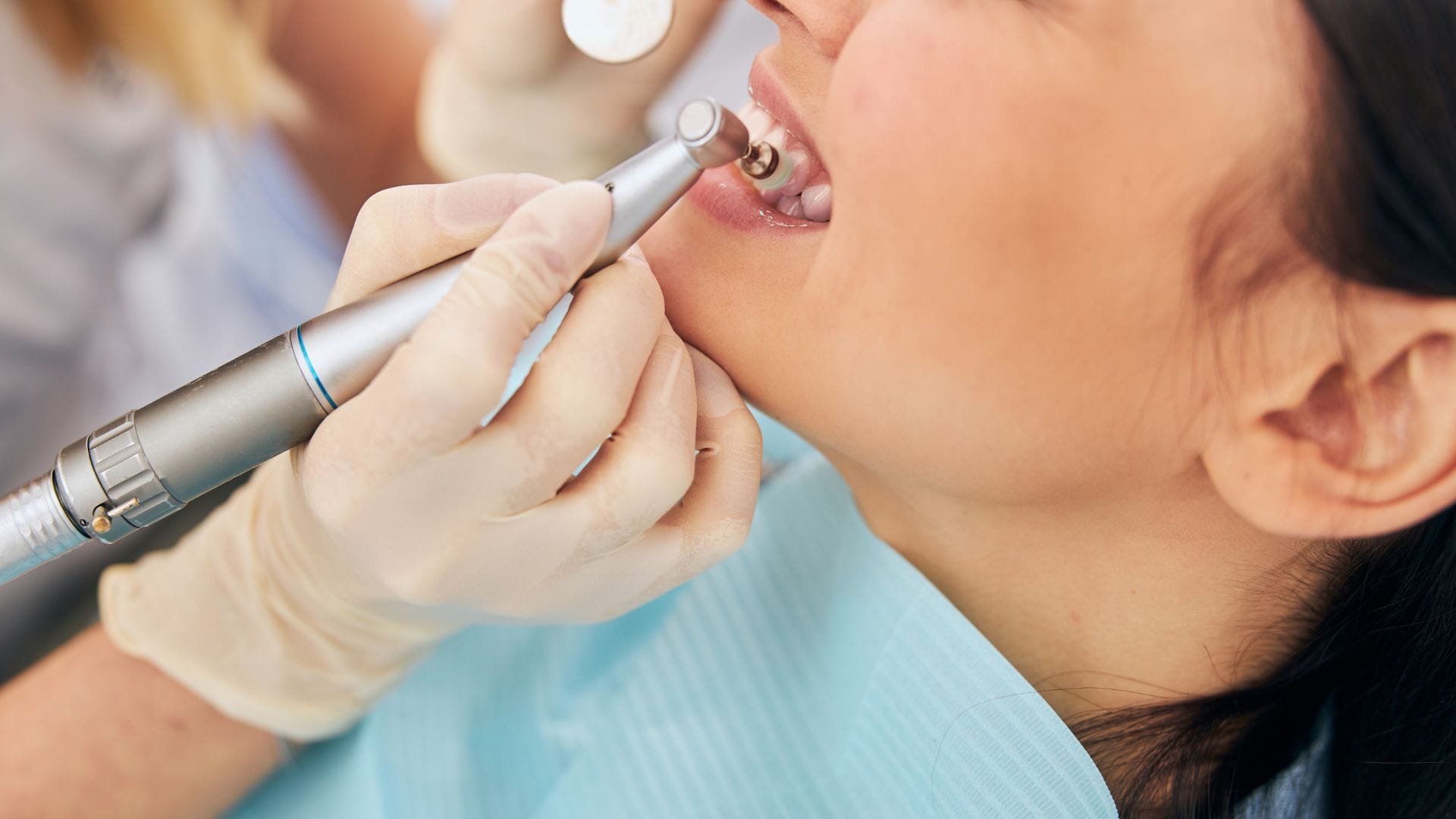
Visit Midland Bay Dental Regularly
While these home habits are important oral health solutions, they work best alongside regular professional dental cleanings. Routine visits allow us to catch small issues, like early signs of decay or gum inflammation, before they become bigger problems.
Our Registered Dental Hygienists at Midland Bay Dental work hard to ensure that plaque gets removed and your mouth feels clean and fresh.
If you would like to schedule a cleaning, call us at (705) 526-6441 or book an appointment online.
Follow us on Facebook.
Related: How To Create Good Oral Hygiene Habits: 4 Easy Tips