
Losing a tooth as an adult can feel overwhelming, but the good news is that you have more options than ever before. If you’re exploring tooth replacement in Midland, a crown and bridge may be exactly the right solution for your smile, lifestyle, and long-term oral health.
There are many reasons why we might lose a tooth – an accident, an untreated cavity, or gum disease. Some larger health problems, like high blood pressure, diabetes, poor nutrition, or even arthritis, can cause a tooth to fall out.
At Midland Bay Dental, we help patients understand all their options so they can make confident, informed decisions. There are options for tooth replacement, like dental implants and dentures. Here’s everything you need to know about crown and bridge restorations.
Why Do Adults Lose Teeth?
There are many reasons why an adult might lose a tooth. Common causes include:
- Untreated tooth decay or cavities
- Gum (periodontal) disease
- Dental trauma from an accident or injury
- Underlying health conditions such as diabetes, high blood pressure, or arthritis
Unlike childhood tooth loss, where a baby tooth simply makes way for a permanent one, adult tooth loss requires active treatment. Without replacement, the surrounding teeth, gums, and jawbone can all be affected.
What Is a Crown and Bridge?
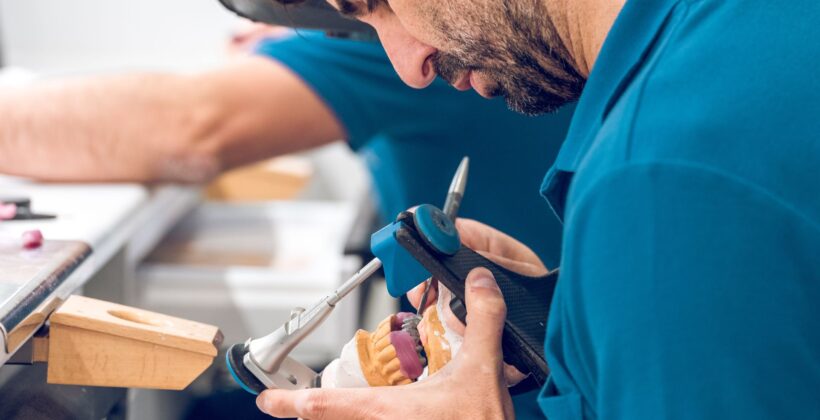
A dental crown is a custom-made cap placed over a damaged or weakened tooth to restore its shape, strength, and appearance. Crowns can also be used as anchors in a bridge.
A dental bridge is a fixed restoration used to replace one or more missing teeth. In a traditional crown and bridge, two crowns are placed on the healthy teeth on either side of the gap (called abutment teeth), and an artificial tooth (a pontic) is suspended between them to fill the space.
The result is a permanent, stable restoration that looks and functions like your natural teeth.
What Are Crowns and Bridges Made From?
Crown and bridge materials have advanced significantly in recent years. Today, your dentist can match the material to your aesthetic goals, bite requirements, and budget. Common options include:
- Zirconia: Strong, tooth-coloured, and built to last. Works well for both front and back teeth, and stands up to chipping and staining.
- All-ceramic or porcelain: The most natural-looking option. A popular choice for front teeth where appearance matters most.
- Porcelain fused to metal (PFM): A tried-and-true choice that blends the look of porcelain with the durability of a metal core.
- Metal alloys: The most durable option, best suited for back molars that take on the most chewing pressure. Less common for visible teeth.
Your dentist at Midland Bay Dental will help you select the best material based on the location of the tooth, your bite, and what matters most to you.
How Long Does a Crown and Bridge Last?
With proper care, a crown and bridge can last 10 to 15 years or longer. The key to getting the most out of your restoration is consistent oral hygiene:
- Brush twice daily with fluoride toothpaste
- Floss daily, using a floss threader or water flosser to clean carefully beneath the bridge
- Avoid biting down on hard objects or sticky foods that can put stress on the restoration
- Visit Midland Bay Dental for regular checkups and cleanings
Your dental team will show you exactly how to floss around your new bridge, as this will impact how long your restoration lasts.
How Does the Crown and Bridge Process Work?
Getting a crown and bridge typically involves two appointments:
At your first visit, your dentist will examine your teeth using digital X-rays to assess the health of the surrounding teeth and jawbone. The abutment teeth are gently reshaped to make room for the crowns, and a digital scan or impression is taken. A temporary bridge is placed to protect your teeth while your custom restoration is being crafted.
At your second visit, the temporary bridge is removed, and the permanent crown and bridge are carefully fitted, adjusted for your bite, and cemented into place.
Crown and Bridge vs. Other Tooth Replacement Options
Your dentist may recommend a crown and bridge, a dental implant, or dentures, depending on the health of your teeth, gums, and jawbone. Here’s a quick comparison:
Dental Implants
Implants are titanium posts surgically placed into the jawbone, topped with an artificial tooth. They’re the most natural-feeling option and help preserve jawbone density over time. They may not be suitable if the jawbone has deteriorated significantly.
Dentures
Dentures are a removable option that can replace multiple or all teeth. They may shift over time and require removal for cleaning, but they’re often more affordable and don’t require surgery.
Crown and Bridge
A crown and bridge is a fixed, non-removable restoration that doesn’t require surgery. It’s a strong middle-ground option. It’s more stable than dentures, and a good alternative when implants aren’t the right fit. It does require the adjacent teeth to be healthy and strong enough to support the crowns.
Why Is It Important to Replace a Missing Tooth?
Leaving a gap in your smile isn’t just a cosmetic concern, as it can have lasting effects on your oral and overall health:
- Shifting teeth: Neighbouring teeth can drift into the gap over time, throwing off your bite alignment.
- Gum disease risk: Open spaces trap food and bacteria, increasing the likelihood of cavities and gum disease.
- Jawbone deterioration: Your jawbone relies on the stimulation of chewing to stay strong. Without a tooth root, the bone beneath the gap can gradually shrink.
- Further tooth loss: Bone and gum recession can eventually destabilize surrounding teeth, putting more of them at risk.
Replacing a missing tooth promptly is one of the most important things you can do for your long-term dental health.
If you’re missing a tooth or have a damaged tooth that needs attention, the team at Midland Bay Dental is here to help. We take the time to listen, explain your options clearly, and recommend only the treatment we believe is truly right for you.
Contact Midland Bay Dental today to book an appointment. Call us at (705) 526-6441 or book an appointment online.
Follow us on Facebook.