

Brushing your teeth is a daily habit most of us never skip – but have you ever stopped to ask yourself how often you should change your toothbrush? Even with the best brushing technique and flossing routine, an old or worn toothbrush can reduce the effectiveness of oral hygiene.
As family dentists at Midland Bay Dental, we understand that small habits can make a significant difference. That’s why we’re here to walk you through some dental care tips about when to get a new toothbrush, why it matters, and how it impacts your overall oral health.
Why Changing Your Toothbrush Matters
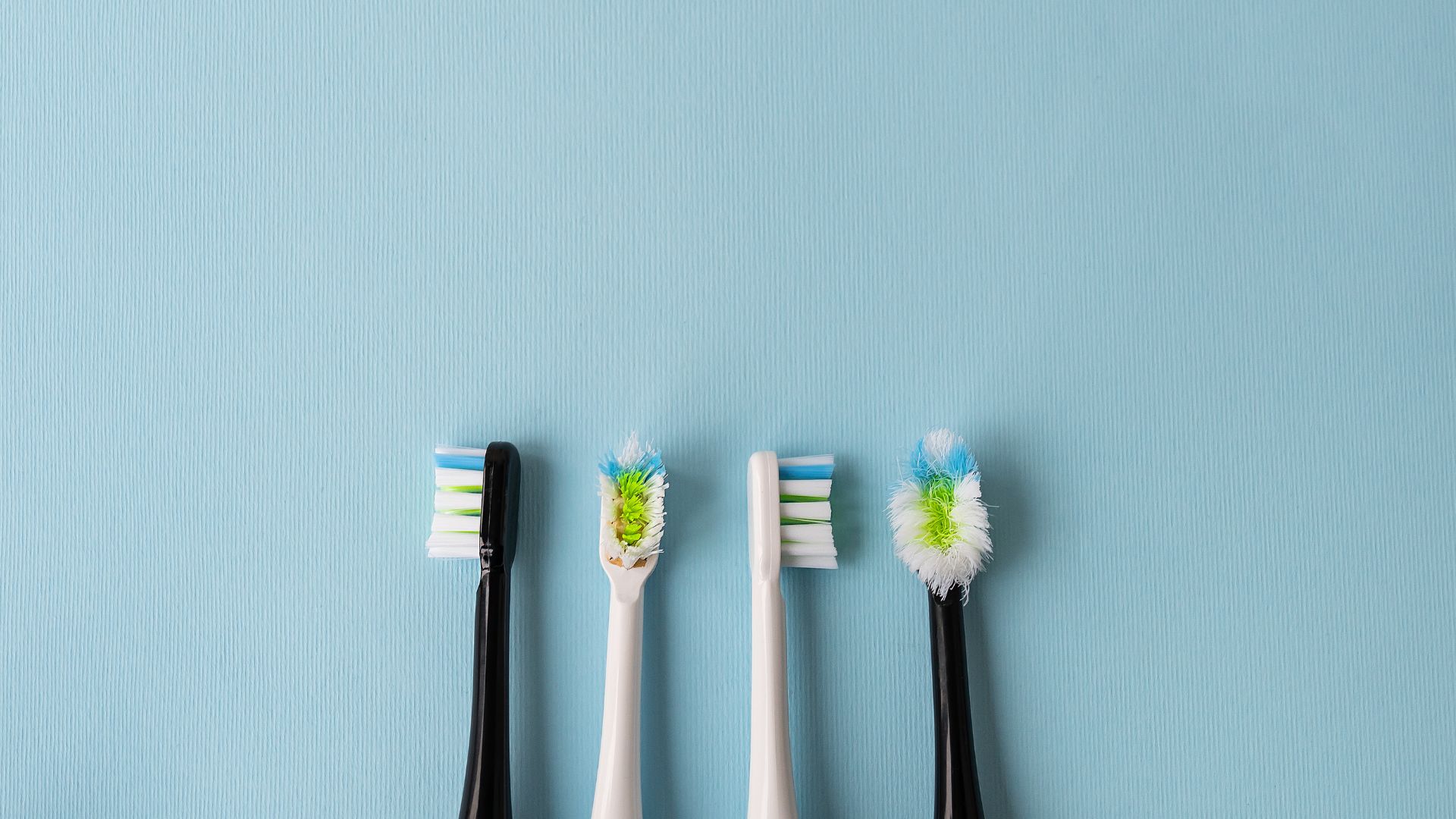
Think of your toothbrush as the first line of defence against cavities, gum disease, and bad breath. Over time, the bristles wear down, fray, and lose their effectiveness. That means they won’t remove plaque as thoroughly as they should.
Another concern? Bacteria. Your toothbrush is exposed to germs from your mouth and the bathroom environment. While most of these germs are harmless, some can multiply and make your brush less hygienic. Regularly changing your toothbrush ensures you’re brushing with bristles that are both effective and clean.
Signs Your Toothbrush Needs Replacing
Has your toothbrush reached the end of its life? Here are a few easy-to-spot signs:
- Frayed Bristles: Worn or bent bristles can’t clean teeth effectively.
- Foul Odour: Lingering smells indicate bacterial buildup.
- Post-Illness: Replace your toothbrush after recovering from a cold, flu, cold sore or other illness to avoid reinfection.
Even if your toothbrush appears okay, most dental experts recommend replacing it if any of the above scenarios apply.
Recommended Replacement Timeline
So, how often should you change your toothbrush? Professionals at the Canadian Dental Association suggest every three to four months. That’s about the length of a season for the bristles to stay strong enough to remove plaque and debris efficiently.
Children’s toothbrushes may need to be replaced more frequently due to enthusiastic brushing or sometimes chewing on the bristles.
While you may be tempted to stretch the shelf-life of an electric toothbrush, as they are more expensive to maintain, dentists recommend swapping out the head just as often as you would a manual toothbrush. Many electric brushes even include colour indicators that fade when it’s time for a new head – making it easy to remember.
It’s easy to assume that because an electric toothbrush does more of the work for you that its brush head might last longer. However, the truth is, electric toothbrush heads wear out just like manual toothbrushes. In fact, because electric toothbrushes move so quickly, the bristles may even wear down faster than a regular brush.
Another factor? Hygiene. Just like manual toothbrushes, electric brush heads collect bacteria, plaque, and toothpaste buildup. Replacing them every three months (or sooner if they look worn) helps keep your brushing effective and your mouth clean.
So whether you’re using a manual or an electric toothbrush, the golden rule is the same: swap it out every 3-4 months for the best results.
What Happens If You Don’t Change Your Toothbrush?
You might wonder – what’s the big deal if you hang onto a toothbrush a little longer? The reality is, using an old toothbrush can lead to several issues:
- Plaque buildup: Worn bristles can’t reach between teeth and along the gumline as effectively.
- Gum irritation: Frayed bristles can be rough on sensitive gums.
- Bad breath: Bacteria and food particles can linger if your brush isn’t doing its job.
- Higher risk of cavities and gum disease: Ineffective cleaning makes it easier for dental problems to develop.
Changing your toothbrush on schedule is one of the easiest ways to protect your oral health.
Choosing the Right Toothbrush
Picking the right toothbrush is just as important as replacing it regularly. Here’s what to look for:
- Soft Bristles: Gentle on gums while effective at cleaning teeth.
- Comfortable Handle: Helps you brush thoroughly without strain.
- Age-Appropriate Design: Fun designs for kids can encourage consistent brushing.
Whether you’re searching for the best children’s toothbrush or a durable adult version, the right brush makes daily care more effective and enjoyable.
How to Make Your Toothbrush Last Longer
While you’ll still need to replace your toothbrush every 3-4 months, the way you care for it can help it stay effective and hygienic for that entire time. Here are some simple tips:
- Rinse thoroughly after each use: Wash away leftover toothpaste and debris so it doesn’t harden on the bristles.
- Store upright: Keep your toothbrush standing in a cup or holder so it can air-dry properly.
- Avoid closed containers: A damp, enclosed space creates the perfect environment for bacteria and mould.
- Keep it separate: If multiple toothbrushes are stored together, avoid cross-contamination by making sure they are not touching.
- Use gentle pressure when brushing: Brushing too hard not only wears down enamel and irritates gums, but it also causes bristles to fray faster.
- Travel with care: If you need to bring your toothbrush on the go, use a ventilated cover and remove it once you’re home to let the bristles dry completely.
By following these steps, you’ll make sure your toothbrush stays clean and effective until it’s time to replace it.
Change Your Toothbrush Regularly For Better Oral Health
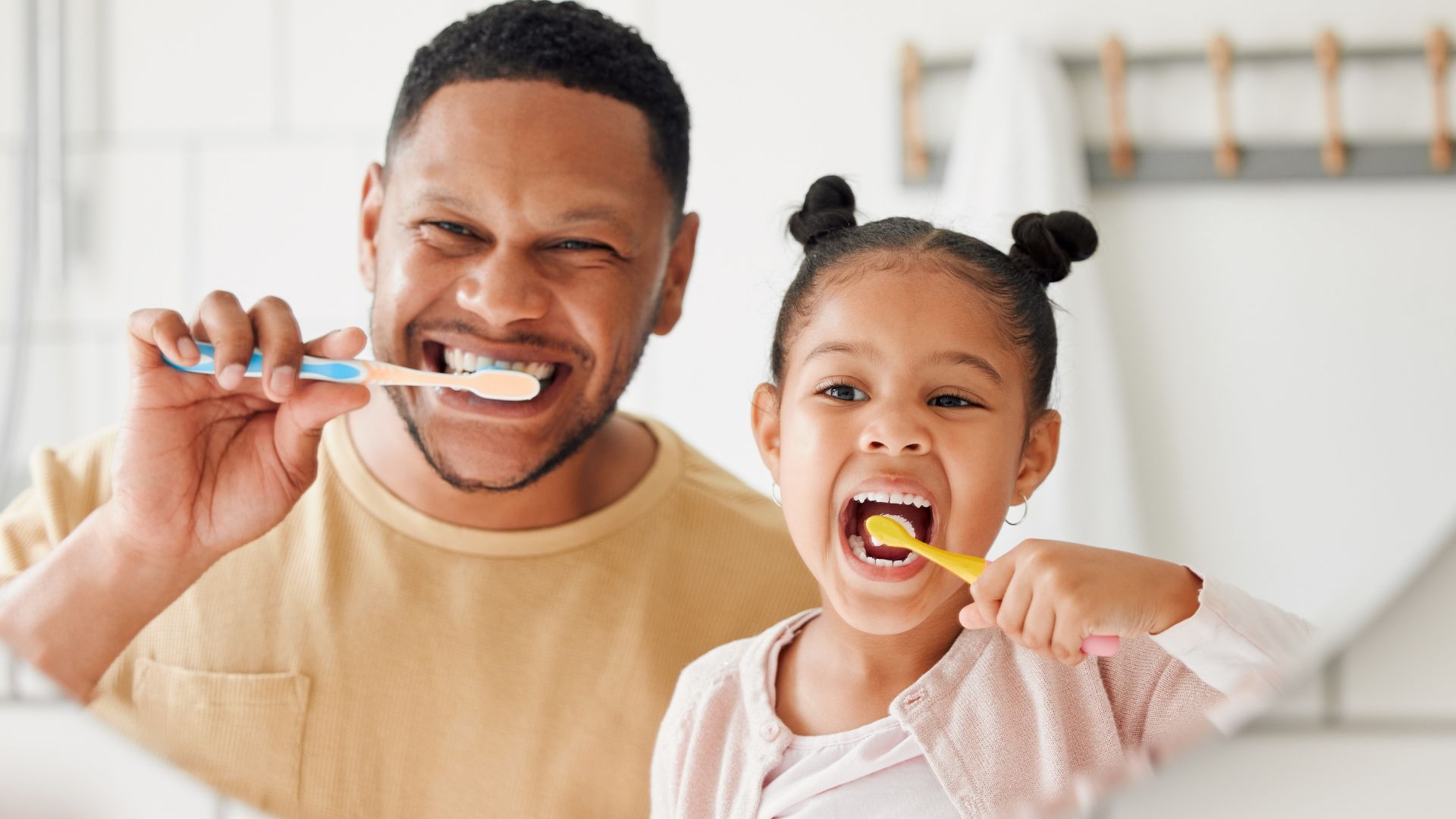
Knowing how often you should change your toothbrush is a small but impactful step in maintaining a healthy smile. Replacing your toothbrush every three to four months – or sooner if the bristles are worn – keeps your brushing effective, prevents bacteria buildup, and protects your teeth and gums. When you pair this habit with proper brushing, daily flossing, and regular dental checkups, you set yourself up for a lifetime of confident, healthy smiles.
At Midland Bay Dental, we believe that even the smallest changes, like replacing your toothbrush in a timely manner, make a big difference in your overall oral health. Our team is here to support you with personalized care, helpful tips, and professional guidance so you and your family can enjoy brighter, healthier smiles every day.
Learn more about our dental care services. Call us at (705) 526-6441 or book an appointment online.
Follow us on Facebook.
Related: Brushing Teeth vs Mouthwash Routine – Why Brushing Is Still Tops